


#1
Choosing An Agent
Your Agent Will Walk You Through The Entire Process.
Choosing a Property Manager
Partnering with the right property manager can make or break your investment experience. Managing a rental property involves more than collecting rent, it requires a deep understanding of Maryland landlord-tenant law, financial reporting, maintenance coordination, and tenant relations. Your property manager is your partner in protecting your asset, so it's essential to choose one built on trust.
Here are some factors to consider when choosing your property management partner:
- Licensing Matters: Maryland doesn't require a real estate license to manage property, but a licensed manager is held to a higher standard of accountability. Ask if your prospective manager holds an active license with the Maryland Real Estate Commission.
- Real Experience, Not Just Promises: How long has the company actually been managing residential properties? Look for a team with hands-on experience, not just a few years in business.
- Transparent Pricing: Are their fees published and easy to understand? Do they mark up vendor invoices, or do you pay exactly what the vendor charges?
- Financial Reporting: Ask how and when you'll receive owner disbursements and statements. Accurate, transparent reporting should never be an afterthought.
- Full-Service Support: From tenant screening and lease management to maintenance coordination, make sure your property manager covers the full scope of what your investment needs.
- Local Knowledge: Are they actively managing properties in your area? Do they understand the Maryland market and its communities?
Select an agent who listens attentively to your needs and concerns, has the necessary experience, is familiar with the area, and is dedicated to finding you the right property. Interview a few different agents so you know your options and feel comfortable with your decision.
Find out how we can help you reach your real estate goals by completing the form .
Get In Touch
Tips For Buying The Perfect Home

Don’t Max Out Your Budget
Just because you’ve been approved for a max amount, doesn't mean you should spend it all on the home's sale price. You will want to set some of that aside for closing costs, taxes and potential home repairs or remodeling.

Get To Know The Area
Make sure the neighborhood works for you and your family - are you close to schools and is shopping conveniently located? Location is important because it’s the one feature that can’t be changed.

Don’t Skip The Inspection
Inspections are worth their weight in gold and will draw attention to problems you may not otherwise see, giving you peace of mind and letting you make more informed decisions about your purchase.

Get Pre-Approved
Getting pre-approved by a lender lets the seller know you are serious and ready to purchase a home and that you are not just window shopping. Check out our list of recommended lenders here.

Make a List of Deal Breakers
Know what you can live with and what you cannot live without and also those things that can be taken care of with a simple remodel. If you need a 4 bedroom home, don't buy one with 2 that requires a massive addition which can break your budget.

Look At The Age Of Appliances & Other Systems
Some of the most expensive features of a home are Appliances, HVAC, Hot Water Heater, Septic/Well, and Roof. You should pay attention to their age and whether they have required service. You may even be able to get the seller to add a home warranty.

Check For HOA Requirements
Most neighborhoods have HOAs that govern what you can and can't do - be sure you know what the rules are for your neighborhood, and the fees associated with having an HOA. They are usually listed as annual fees.
ONE PARTNER FOR ALL YOUR REAL ESTATE NEEDS

What Price Range Can I Afford?
Resources For Baltimore County Home Buyers
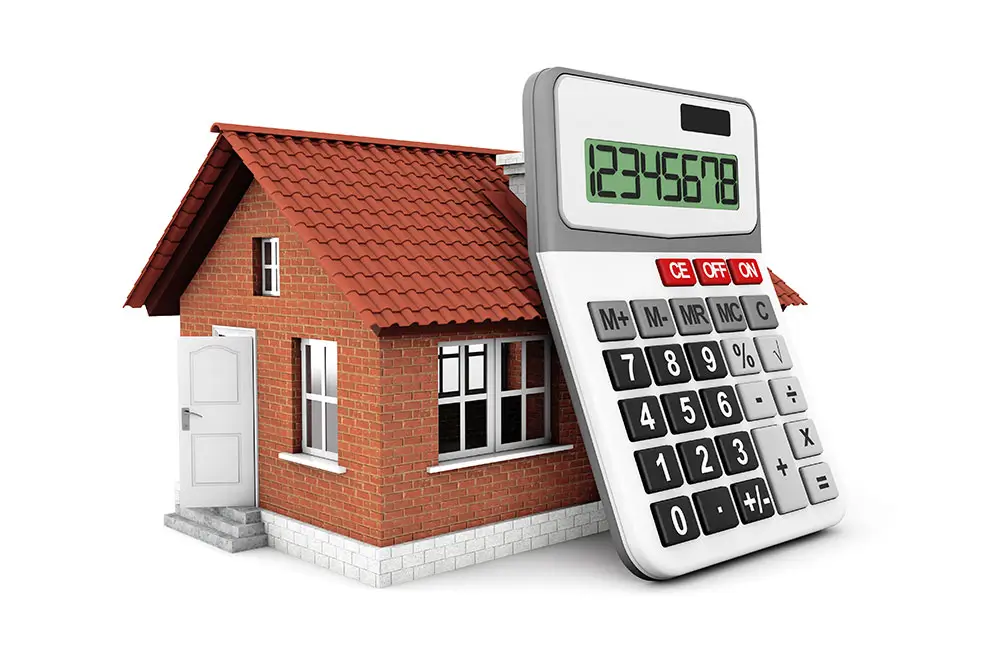
The journey to homeownership starts by understanding how much you can afford. One major thing to consider is your down payment, if any. Many consumers believe it's impossible to buy a home without at least 20 percent down. But thanks to various government-sponsored programs, many people can now buy a house with as little as 3.5 percent toward a down payment. Veterans of the U.S. military have zero-down programs available.
Finding a knowledgable Mortgage Loan Officer is key to recieving the most up-to-date information on available lending options. Feel free to check out or vetted list of preffered lenders below - or, if you just want to run some quick rough numbers, check out our free mortgage calculator.
Blue Door Residential Real Estate
Areas We Serve
- Baltimore County
- Baltimore City
- Harford County
- Anne Arundel County
- Howard County
- Carroll County
- Cecil County